


Sports Vision
Sports Vision is the field with improving the visual abilities of athletes. At All About Vision, our experts has provided you with helpful information.
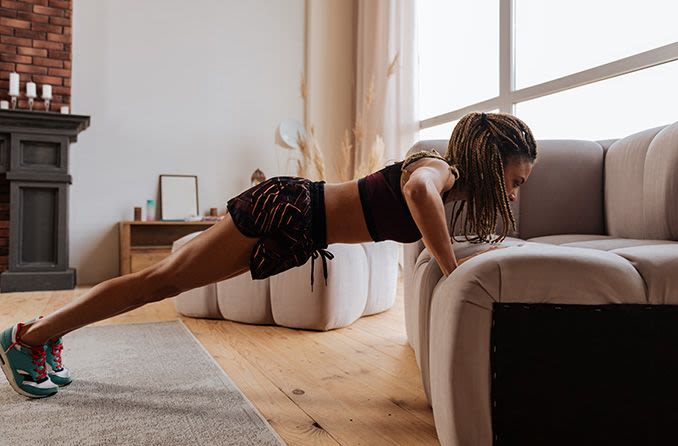
Need a great home workout? Read All About Vision's 8 tips on a fun home workout from Team Oakley athletes to improve or add new exercises to your home workout.
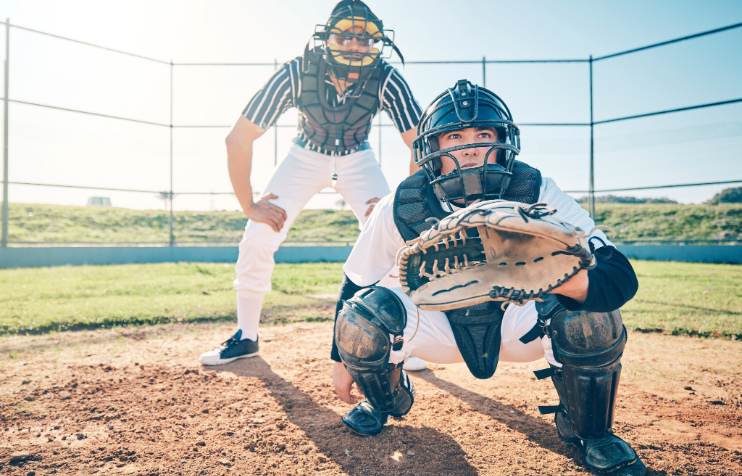
Clear vision and healthy eyes are essential for peak performance in any sport. Learn which nutrients can help support eye health in athletes.

Athletes concerned about safety might consider orthokeratology for vision correction, which involves wearing eye-shaping contact lenses only at night.
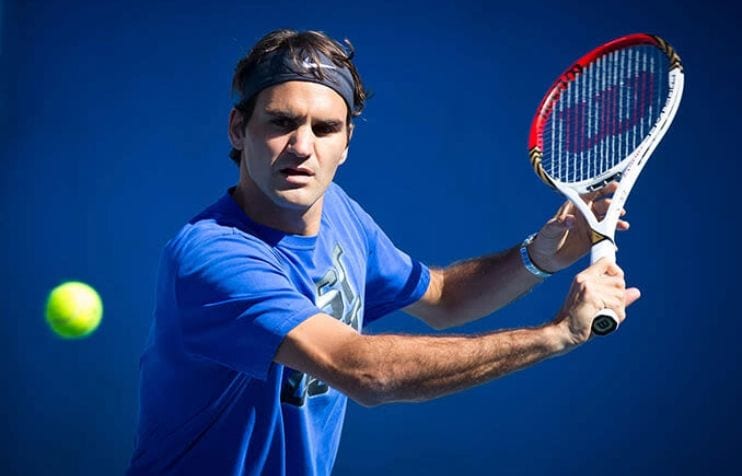
Discover the benefits of sports vision therapy, the different skills it can sharpen and when to consider performance vision training.
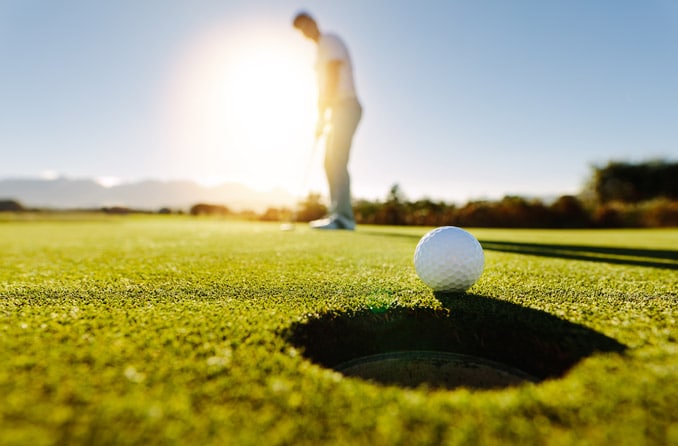
Learn why eye dominance, peripheral vision and focus flexibility can be major factors in how well you perform as an athlete.
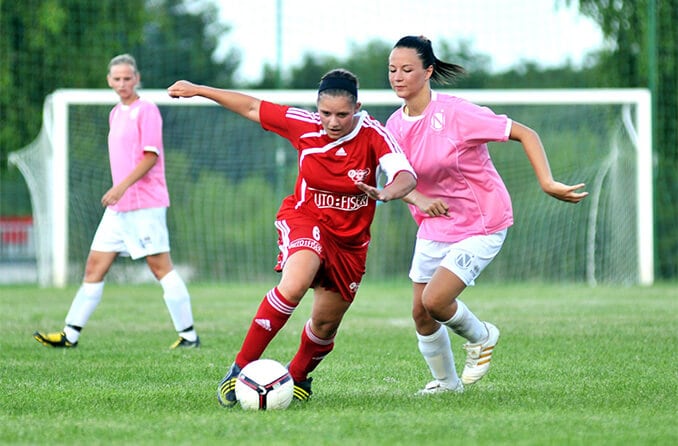
Learn how sports vision assessments can help you improve skills such as hand-eye coordination, depth perception and eye tracking ability.
All About Vision and AllAboutVision.com are registered trademarks of AAV Media, LLC. © 2000-2025 AAV Media, LLC. The content on this site is for informational purposes only. All About Vision does not provide medical advice, diagnosis or treatment. Contact an eye doctor if you need medical attention.
