Vision Over 60

Liz Segre
Get to know the warning signs of age-related vision problems, safe driving after age 60, as well as eight ways to protect your eyesight.
Table of Contents
Ten Warning Signs of Age-Related Eye Problems
Sudden eye pain or blurry vision could signal an emergency that may lead to permanent vision loss. Never hesitate to visit your eye doctor if you have any of these warning signs.
How Your Vision Changes as You Age
Many vision changes are perfectly normal. But to compensate, you may need to take extra steps such as more frequent changes of prescriptions for eyeglasses or contact lenses. Read up on what to expect in the way of vision changes as you age, and what you can do to minimize problems.
Safe Driving After 60
Age-related vision changes, such as loss of sharper night vision, mean you need to be extra cautious to increase driving safety.
Eight Ways To Protect Your Eyesight
A few simple lifestyle choices, such as not smoking and eating healthy foods, really can improve your chances of keeping your eyes healthy for a lifetime.
How Diet and Nutrition Protect Aging Eyes
Learn which foods and vitamin supplements are the best for maintaining eye health in older people.
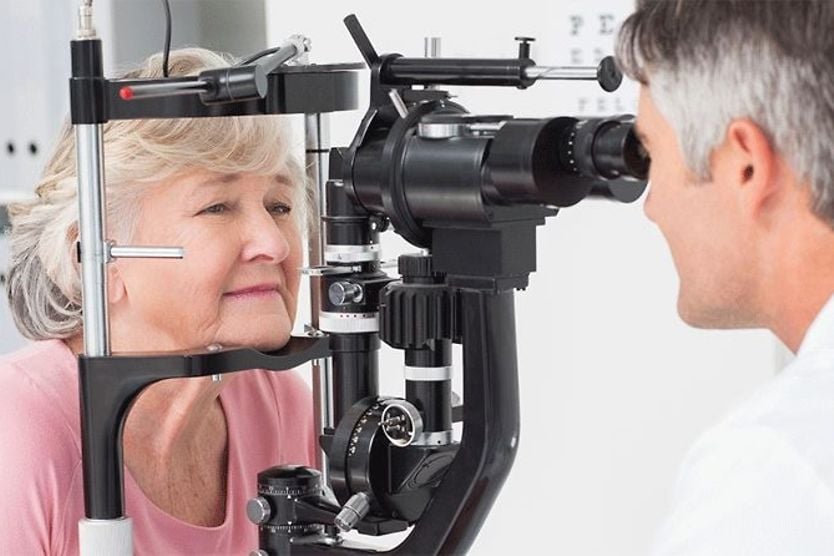
Sight Saving Tests for Older Eyes
Regular eye exams can be vitally important, especially as we undergo age-related eye changes.
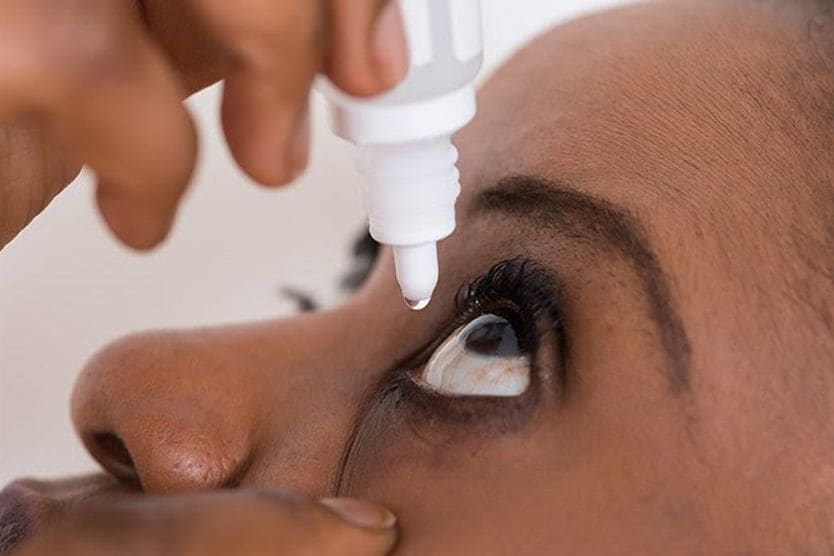
- Trouble using eye drops? Try the Tears Again Liposome Eyelid Spray
- Dry and irritated eyes? The problem may be your eyelids
- Trouble with multifocals? CooperVision has three solutions
Tips for Coping With Vision Loss
Older people need proper vision correction and treatment to maintain quality of life and decrease the possibility of mishaps such as falls.
Eye Care for Qualifying Seniors at No Cost
Are you neglecting your eye health because you can't afford an eye exam? The National Eye Care Project may be able to help you.
[Page updated January 2013]