Vitamin C and bioflavonoids: Powerful eye antioxidants
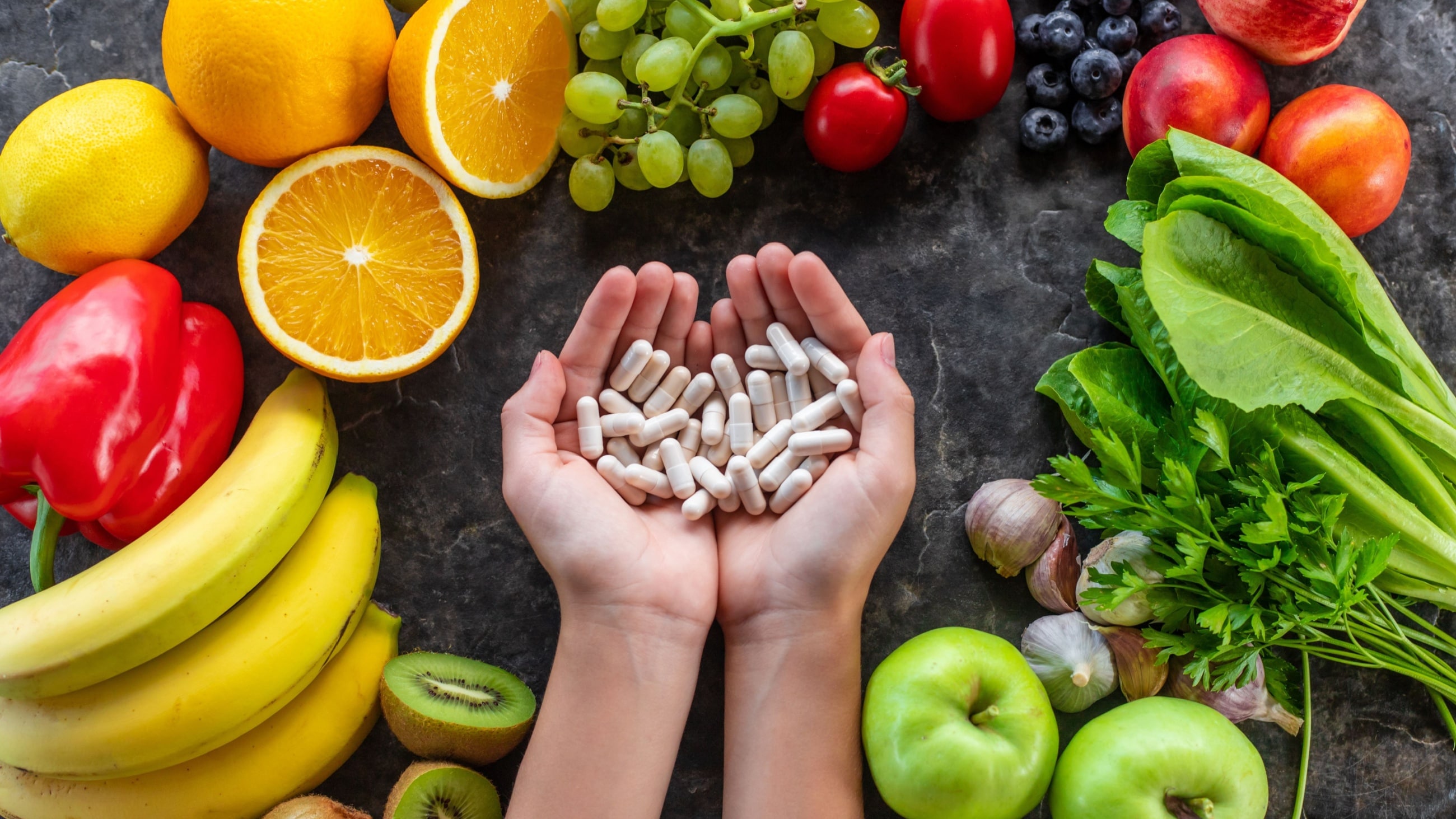

Vitamin C and bioflavonoids are important antioxidants that help keep your eyes and body healthy. Foods high in vitamin C, such as citrus fruits and many vegetables, are also excellent sources of bioflavonoids.
Research suggests vitamin C and bioflavonoids may have a complementary effect, making them both more effective when ingested together rather than separately.
Vitamin C and your eyes
Vitamin C (also known as ascorbic acid) is a water-soluble vitamin and a powerful antioxidant. Abundant in fruits and vegetables, vitamin C helps the body form and maintain connective tissue, including collagen found in the cornea of the eye.
Vitamin C also promotes healthy bones, skin and blood vessels, including the delicate capillaries in the retina. Studies suggest long-term consumption of vitamin C also may reduce the risk of forming a cataract and vision loss from age-related macular degeneration (AMD).
Unlike most animals, humans are unable to produce vitamin C in the body. So we must get our daily dose of ascorbic acid from our diet. A diet deficient in vitamin C can lead to scurvy — a serious disease characterized by muscle weakness, swollen and bleeding gums, loss of teeth, bleeding under the skin, soreness and stiffness of the joints, anemia, fatigue and depression.
So how much vitamin C do you need? According to experts, the Recommended Dietary Allowance (RDA) of vitamin C is 90 milligrams (mg) per day for men and 75 mg for women. (It is recommended that women who are pregnant or breast-feeding should take up to 120 mg per day.) Research suggests people who smoke may need more vitamin C than nonsmokers.
Many researchers, however, feel you should consume significantly more vitamin C than the RDA. For example, 500 mg was the daily dose of vitamin C used in studies that showed a reduced risk of cataracts. And long-term studies have found that people who take more than 700 mg of supplemental vitamin C per day have a 25 percent lower risk of coronary heart disease than those who don't take vitamin C supplements.
Because it is water-soluble, vitamin C is generally considered safe at high doses. Excess vitamin C is excreted in urine. However, doses greater than 2,000 mg per day may cause nausea and diarrhea, as well as increase the risk of kidney stones.
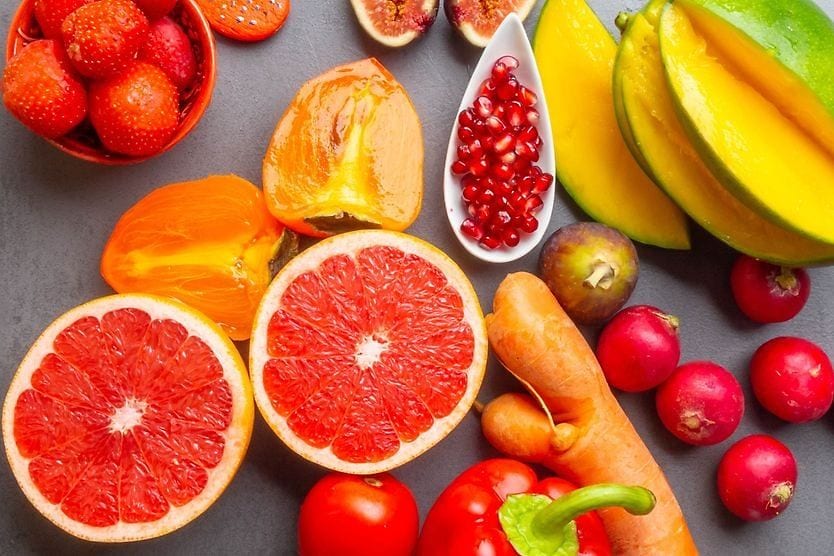
Natural sources of vitamin C include peppers, citrus fruits, berries, tropical fruits, potatoes, tomatoes and green leafy vegetables. Foods with high content of vitamin C may include:
- Sweet red peppers (283 mg per one cup serving)
- Sweet green peppers (133 mg per one cup serving)
- Strawberries (86 mg per one cup serving)
- Broccoli (82 mg per one cup serving)
- Orange juice (75 mg per one cup serving)
The above values are for fresh, raw foods. Cooking and canning foods can decrease their vitamin C content. Light also destroys vitamin C. So if you drink orange juice, it's best to purchase it in opaque containers.
Smoking, oral contraceptives, estrogen, the antibiotic tetracycline and barbiturates may decrease the effectiveness of vitamin C.
[Try these easy eye healthy recipes — all contain vitamin C: sunset gazpacho, chicken chopped salad, after-workout tropical smoothie, Niagara springtime soup sipper.]
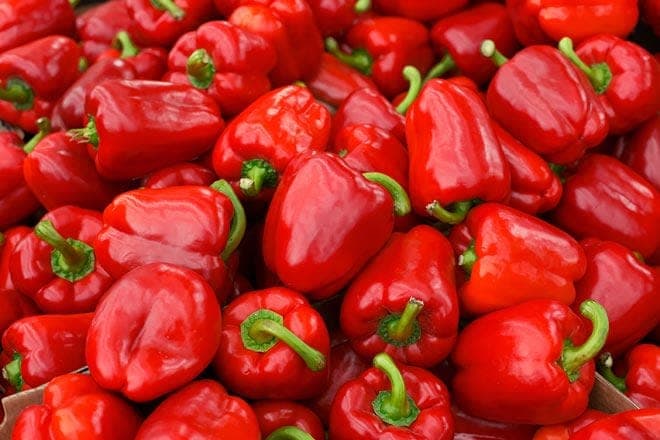
Want more vitamin C in your diet? Sweet red peppers have more than three times the vitamin C of orange juice.
Bioflavonoids: Vitamin C's eye health partner
Bioflavonoids are a large family of substances found in many of the same foods that are good sources of vitamin C. In fact, researchers have identified more than 8,000 naturally occurring bioflavonoid structures. Bioflavonoids (also called flavonoids) are the natural pigments that give fruits and vegetables their color.
Sometimes bioflavonoids are referred to as "vitamin P," but it has not been proven that these substances meet the requirements to be called a vitamin. Vitamins are organic compounds that are essential for normal growth and nutrition and are required in the diet because they cannot be synthesized by the body. It has not been proven that all bioflavonoids are essential to human health.
Studies of specific bioflavonoids, however, have revealed health benefits. Quercetin, for example, appears to stabilize the membranes of cells that release histamine, a compound involved in allergic and inflammatory reactions. Found in buckwheat and citrus fruits, quercetin may help prevent seasonal allergies.
Rutin, another bioflavonoid, may be useful for the prevention of easy bruising and other bleeding abnormalities. Rutin is found in buckwheat, capers and other plants.
And recent research suggests apigenin — a bioflavonoid found in celery, parsley, red wine, tomato sauce and other plant-based foods — may reduce the risk of ovarian cancer.
Bioflavonoids and vitamin C appear to work together in the body. Researchers believe benefits credited solely to vitamin C in the past actually may be due to the combined action of vitamin C and specific bioflavonoids. Some of these combined effects include:
- Reduced risk of heart disease
- Reduced risk of certain cancers
- Certain anti-aging effects
- Protection against infections
- Strengthened walls of blood vessels
- Improved blood circulation
- Decreased blood cholesterol
- Improved liver function
A majority of foods containing vitamin C also contain bioflavonoids.
Bilberry, a plant closely related to the blueberry, is a source of bioflavonoids often touted as being good for your eyes. Bilberries are also called huckleberries or whortleberries in some regions.
Bilberries and blueberries both contain high amounts of anthocyanins — flavonoid pigments that are powerful antioxidants. Anthocyanins may help reduce the risk of cataracts and macular degeneration and help maintain the health of the cornea and blood vessels in various parts of the eye.
Researchers also are investigating other potential eye benefits of anthocyanins, including the possibility these and other bioflavonoids may help reduce inflammatory eye disease and diabetic retinopathy.
In addition to bilberries and blueberries, other good sources of anthocyanins include acai fruit, cherries, plums, cranberries, raspberries, eggplant, red and purple grapes and red wine.
Like vitamin C, bioflavonoids are water-soluble and nontoxic, even at high doses. No RDA has been established for bioflavonoids at this time.