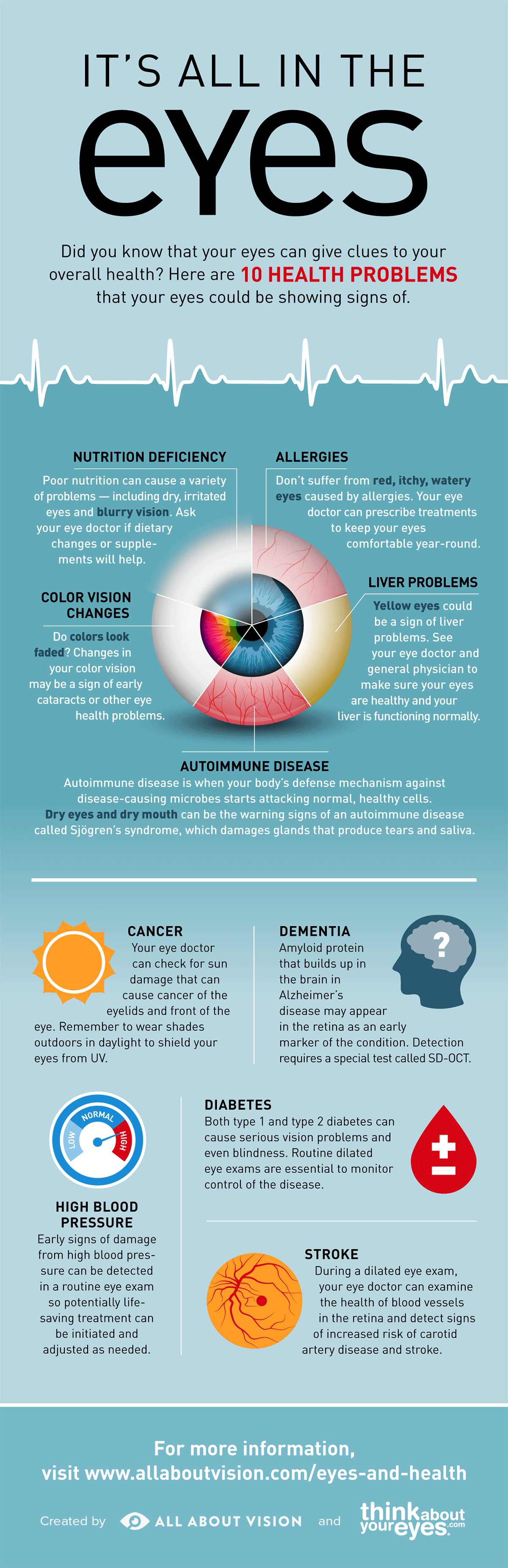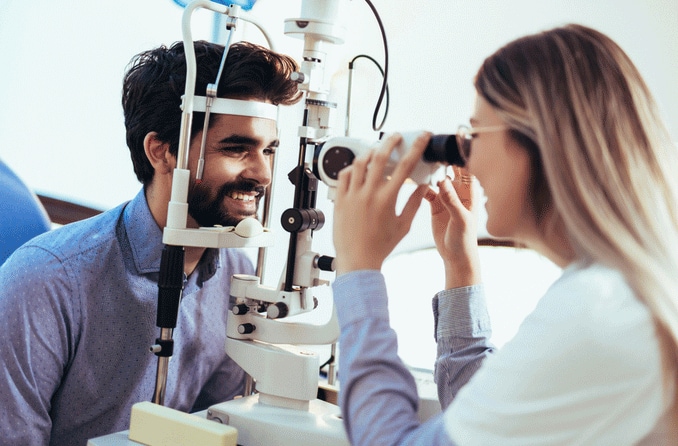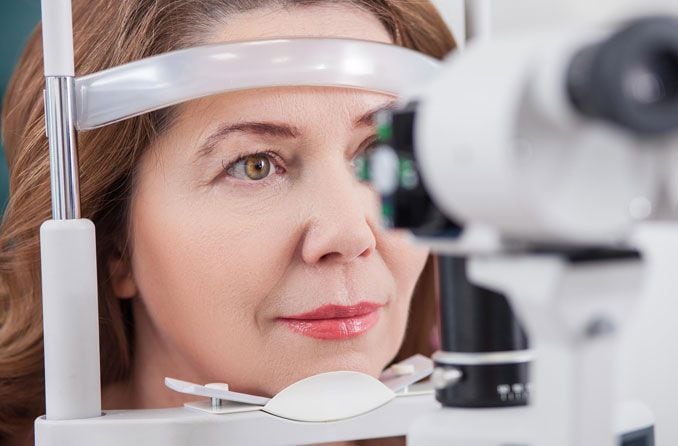
Is it time for your annual eye exam?
The importance of an annual eye exam goes well beyond just making sure your vision isn't blurry. While it’s a good idea to schedule an exam to assess any new vision changes, there are several other things a yearly eye exam can achieve.
Here are five reasons why eye exams are important, and why you and your family should have annual eye exams to safeguard your vision.
1. Eye exams help children succeed in school
Clear vision is vital to a child’s learning from the time they begin school. And it’s not limited to whether or not your child can see the board at the front of the classroom — several vision skills affect learning and academic performance.
Reading and other activities require components such as:
- Visual acuity
- Visual focus
- Accurate visual perception
- Hand-eye coordination
- Eye teaming
- Eye tracking
These factors also play a role in reading comprehension and other cognitive understanding. If your child has trouble with any of these skills, they could potentially struggle with school work. Some children also experience symptoms like eye strain or headaches if they have vision problems.
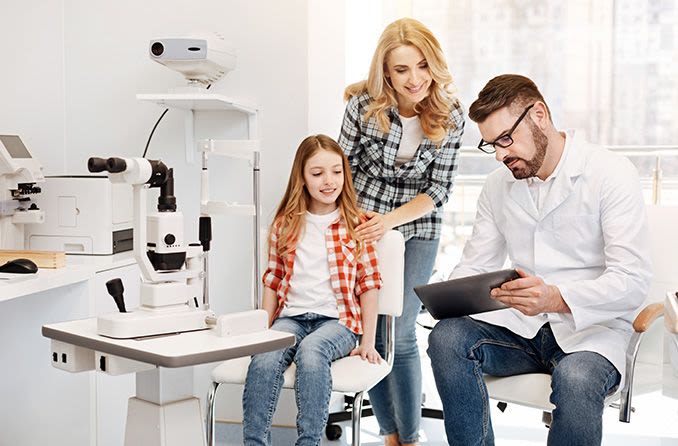
An annual eye exam is the only way to ensure your child is seeing clearly and comfortably to succeed in the classroom. It’s also the only way to know for sure if children are seeing their best for other activities, such as sports.
2. Myopia is becoming an epidemic

Children's eye exams are important to ensure normal vision development and check for myopia.
The number of children who are developing myopia (nearsightedness) is increasing. And more kids are becoming nearsighted at a very early age.
Why is this a big concern?
Children who become nearsighted very early in life may experience a worsening and progression of nearsightedness that continues throughout childhood. This puts them at a much greater risk of serious and potentially sight-threatening eye conditions later in life. Some of these include cataracts, glaucoma and retinal detachment.
Scheduling annual eye exams is the best way to assess your child's risk of myopia. When detected early, myopia control measures can be taken to slow the progression of the condition. This intervention can also reduce your child’s risk of serious eye problems when they reach adulthood.
3. Vision screenings are no substitute for an eye exam
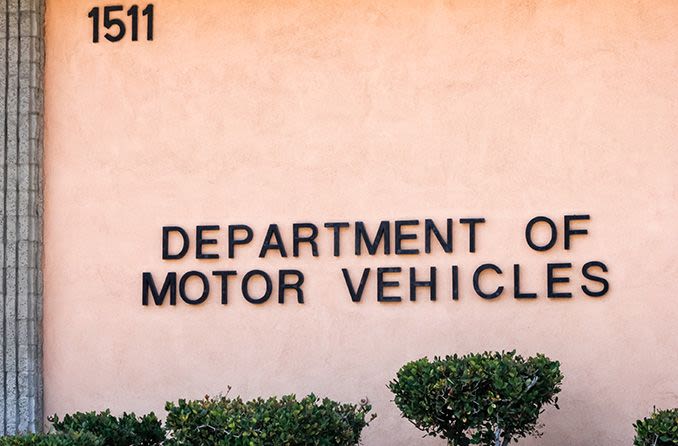
Parents are often led to believe their child is seeing perfectly well because they passed a school vision screening. Or adults think they see perfectly because they passed a vision screening at the motor vehicle department. But in many cases, neither of these assumptions is correct.
Vision screenings are just that — they screen to see if vision problems might exist. Screenings can identify general issues a person might have with specific visual tasks. These might include things such as seeing a chalkboard clearly in the classroom or recognizing road signs and other objects from behind the wheel.
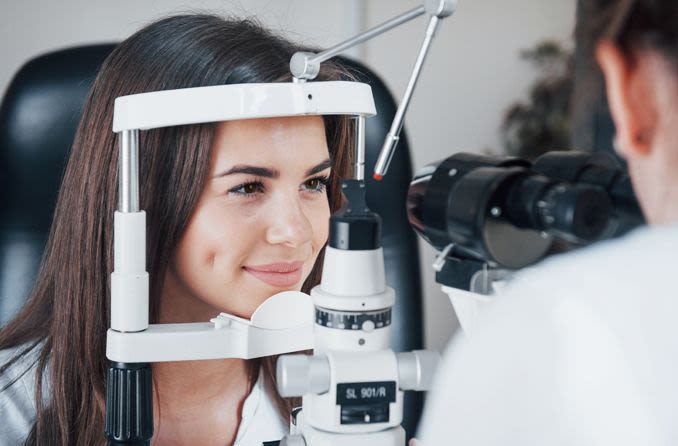
But only a comprehensive eye exam by an optometrist or ophthalmologist can assess your vision and eye health. Thorough dilated eye exams also check for potentially serious eye diseases that don’t have obvious early symptoms, including glaucoma, retinal detachment and even eye cancer.
READ MORE: Eye exams vs. vision screenings
4. Glaucoma
After a comprehensive exam, your eye doctor will discuss the findings and offer treatment options best suited to your needs.
Of all major eye diseases, glaucoma is perhaps the most deceptive. That's because there are no clear symptoms in most cases of early glaucoma — nothing to alert you that something is wrong.
Without routine eye exams, people who develop glaucoma might only become aware of the condition after experiencing permanent vision loss. And by that time, controlling glaucoma to prevent additional vision loss can be very difficult. Without successful medical treatment and/or glaucoma surgery, the disease can lead to blindness.
Early detection of high eye pressure and other risk factors for glaucoma is possible only with routine eye exams. Vision screenings do little to nothing to identify or prevent glaucoma.
5. Annual eye exams can detect other serious health problems
A yearly eye exam can also help detect serious health conditions, such as diabetes, high blood pressure, high cholesterol and even cancer.
Our eyes have been called "the window to our soul." But they can also be a very effective window to our overall health.
During a comprehensive eye exam, your eye doctor can observe and evaluate the health and condition of the blood vessels in your retina. This may also provide information on the health of your heart, brain and other body systems. Changes in the appearance of the retinal blood supply and blood vessels may indicate several types of health conditions.
DID YOU KNOW? Research is underway to determine if eye exams can help identify your risk for Alzheimer's disease. The possibility of incorporating this assessment into comprehensive eye exams is currently being explored.
A note on diabetic eye disease
Annual eye exams are especially important for anyone with diabetes or who might be at risk for the disease (due to obesity, family history or other reasons).
Among U.S. adults, around 38 million have diabetes and another 98 million have prediabetes. This places them at risk for developing diabetic eye diseases such as diabetic retinopathy, which is the leading cause of blindness in adults. In its early stages, diabetic retinopathy may not carry any noticeable symptoms.
Those with diabetes are also at a higher risk of developing other eye conditions, including diabetic macular edema, glaucoma and cataracts. Only a comprehensive eye exam can detect signs of diabetes-related eye diseases. Early diagnosis and treatment are necessary to help prevent vision loss.
How often should you get an eye exam?
Knowing when to see an eye doctor is essential to your overall eye health. An annual eye exam is generally recommended for adults and children (ages 6 and up). These periodic exams are important, even if you do not have any known eye problems.
The exact frequency of eye exams also depends on your specific eye health, needs and family history. Your eye doctor may recommend more frequent checkups if you have a condition that affects your vision, such as diabetes. You may also need to have your eyes examined more often if you’re at risk for developing glaucoma and other types of eye disease.
Even if you’re not due for an exam, you should contact your eye doctor if you experience any unexplained issues, such as:
- Eye pain
- Eye redness
- Double vision
- Blurry vision
- Eye floaters
- Flashes of light
- Eye discharge
- Other concerns
When should you start getting eye exams?
Children should have their first eye exam between the ages of 3 and 5. But they may have a screening or an exam as early as 6 months to 1 year of age in their pediatrician’s office. They should be seen again for an eye exam by the time they enter first grade and then at least once per year following that.
Eye exams may be needed more frequently if you or your child has a certain health condition, is at risk for developing glaucoma or if there is a history of eye disease in your family.