


Types of Contact Lenses
Did you know there are multifocal contacts much like progressive lens? Before you go to the eye doctor for new contacts learn more about the different types.
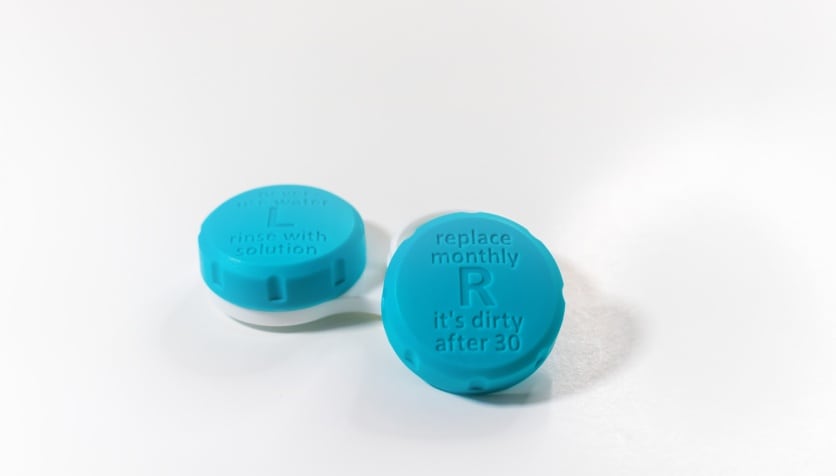
30-day contact lenses and LASIK both provide continuous vision. Find out if one is right for you.

Are Bausch and Lomb Ultra contacts right for you? Learn about this line of soft contact lenses, which includes contacts for astigmatism and presbyopia.
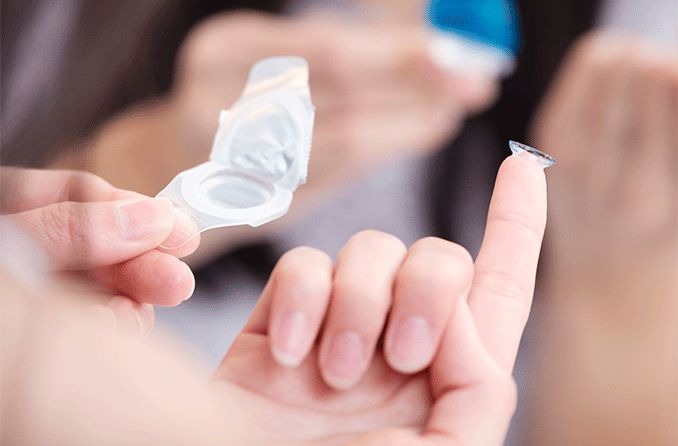
Considering Acuvue Vita contacts? Our guide will give you the basics on this line of soft contacts, and your eye doctor can help you decide if they’re for you.
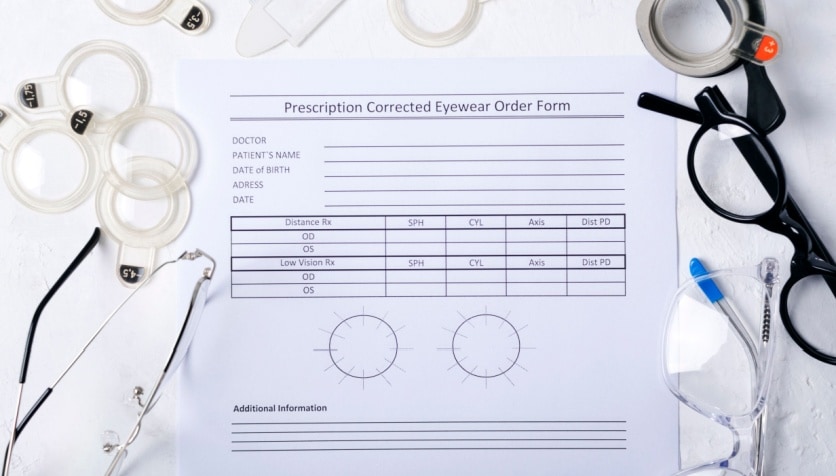
Contact prescription vs. eyeglass prescription: they're not the same. Learn the differences — and why you need both.
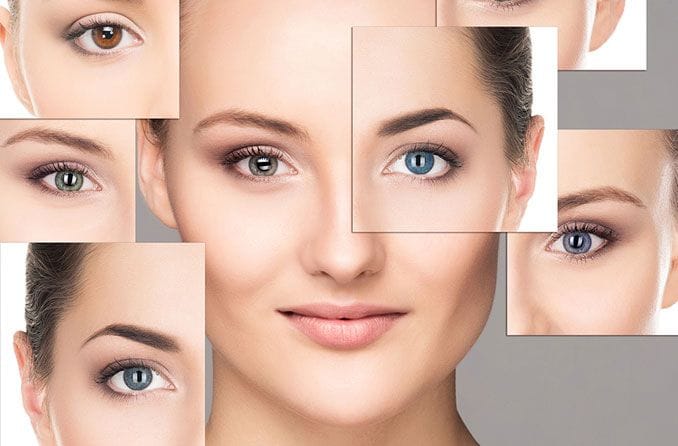
Colored contact lenses enhance or completely change your eye color. Info about types of colored contacts and cost.
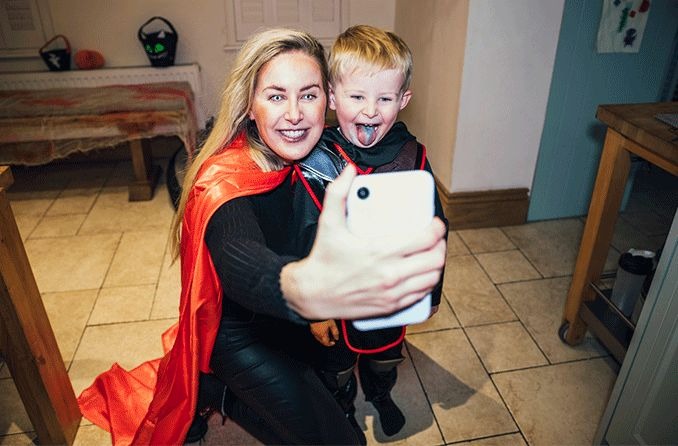
Halloween contact lenses can help you terrorize trick-or-treaters, but they aren’t always safe unless worn properly, maintained carefully and prescribed correctly.
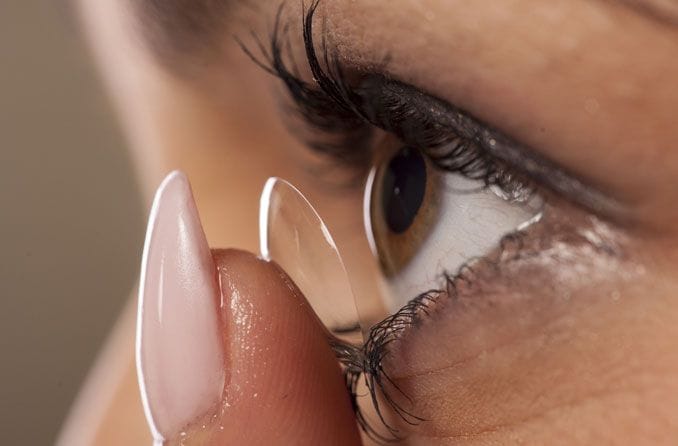
Contact lenses: understanding types of contacts, new wearing options, and more.

Sport contact lenses can give you a competitive advantage; learn which designs are right for your sport.

Some of the best cosplays call for contact lenses to stay true to character. But are they safe, and where can you find contacts for cosplayers?

Dr. Gary Heiting explains custom contact lenses and how they may help you see better than regular soft or gas permeable contacts.
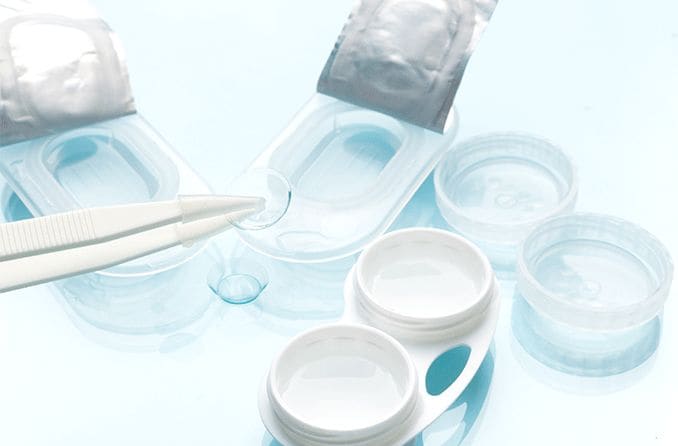
Dailies Total 1 are disposable contact lenses for single-day use. They offer comfort, lubrication and easy transition from eyeglasses.
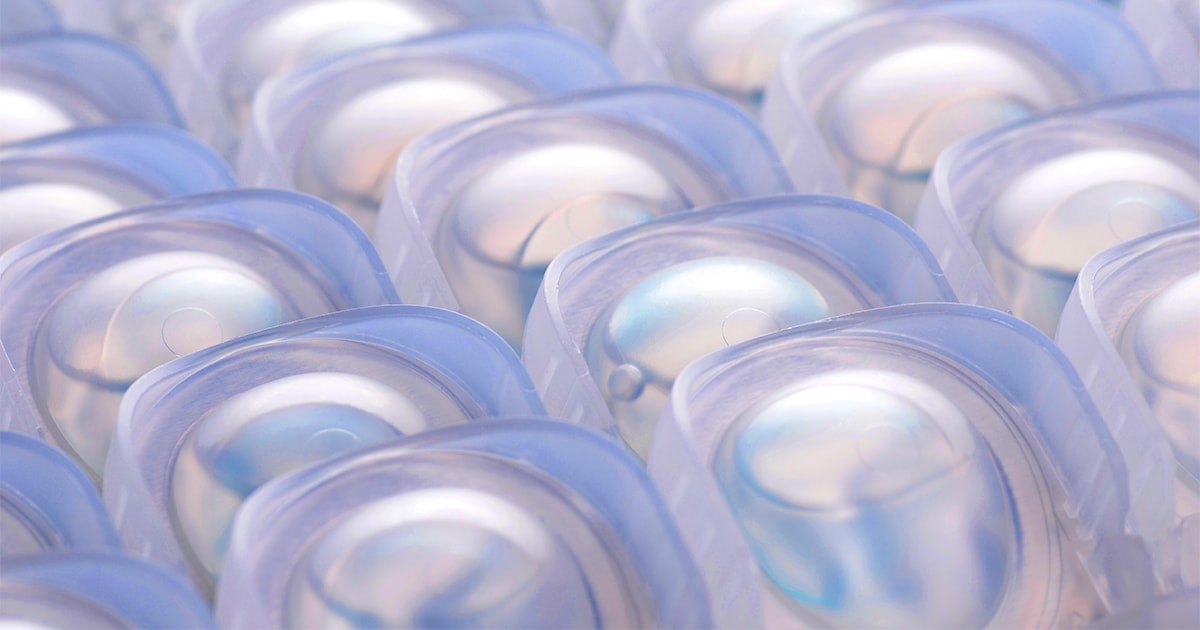
Guide to daily disposable contact lenses, frequent replacement contacts, wearing and replacement schedules, planned replacement, more.
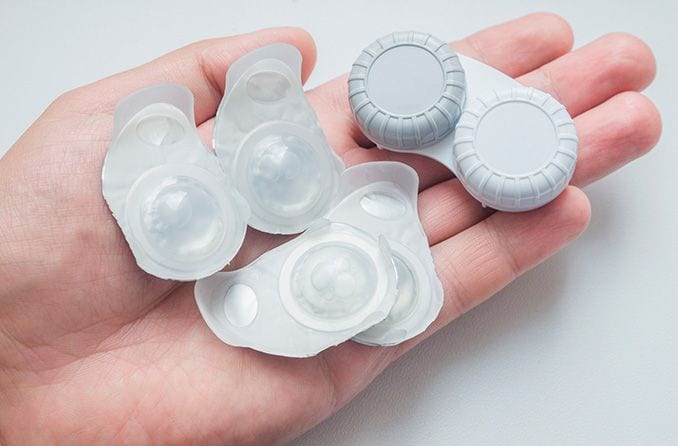
Daily vs monthly contacts? Our guide looks at the differences in contacts when it comes to how long they last, safe for overnight use, cost and care.

Get details on the benefits of environmentally responsible contact lenses.

Learn about extended wear contact lenses that you may be able to wear day and night for several days.
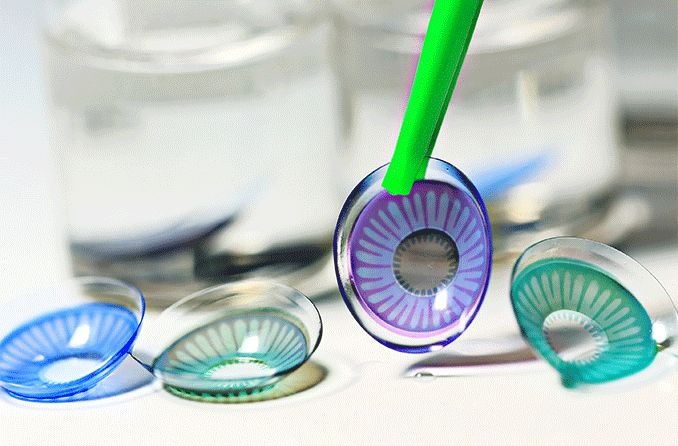
FreshLook Colorblends colors are the eyewear equivalent of clothing designer brands. Wear Colorblends for a natural look that is bold and bright.

What are GP or rigid gas permeable contact lenses, and when are they a better choice than soft contacts?
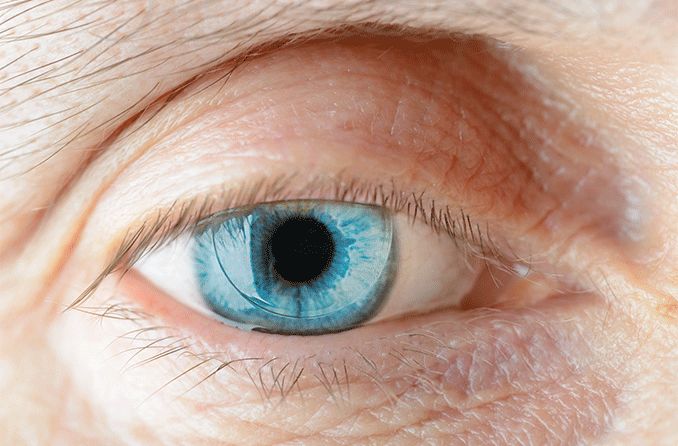
PMMA (better known as Plexiglass or acrylic) was once considered the best material for contact lenses. Here’s why that’s no longer true.

Silicone hydrogel contact lenses are advanced contacts that may be healthier than regular soft lenses. Are they right for you?
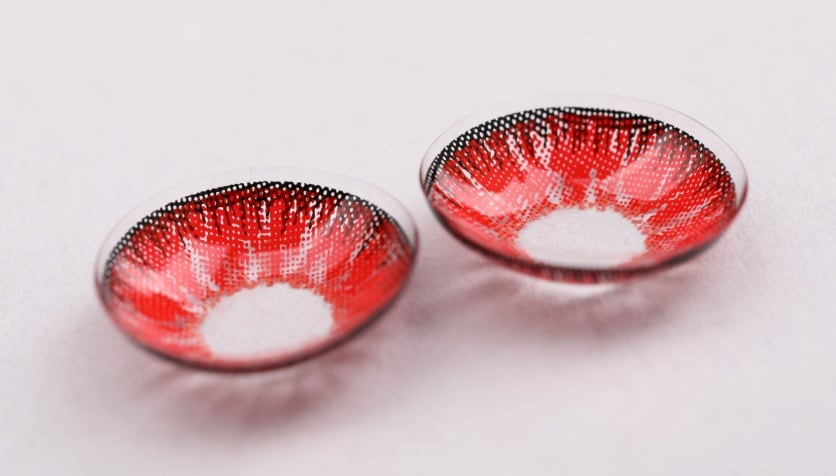
The vampire contacts used in Twilight, New Moon, etc., are special-effect contact lenses; you can buy replicas for Halloween or theater use.
All About Vision and AllAboutVision.com are registered trademarks of AAV Media, LLC. © 2000-2025 AAV Media, LLC. The content on this site is for informational purposes only. All About Vision does not provide medical advice, diagnosis or treatment. Contact an eye doctor if you need medical attention.
